
A Neighborhood with Roots: The Birth of Fairlane
Nestled quietly in northwest Dayton, the Fairlane neighborhood is a living testament to the city’s ability to reinvent itself while preserving a sense of belonging. Today, tree-lined streets such as Derby Road, Brenton Drive, and Fairlane Avenue bear the hallmarks of mid-century suburban planning, but the story of Fairlane starts much earlier, shaped by Dayton’s post-war boom and the dreams of its early residents.
In the late 1940s and early 1950s, Dayton was buzzing with new opportunity. As returning veterans and their families sought places to put down roots, city planners and developers envisioned a new community just off Salem Avenue—a space that was open enough for airy homes and close enough to downtown for easy commutes. According to longtime residents, the name "Fairlane" was inspired by the Ford Fairlane automobile, a symbol of the area’s postwar optimism, mobility, and forward-looking spirit.
Postwar Optimism: Building Fairlane’s Foundations
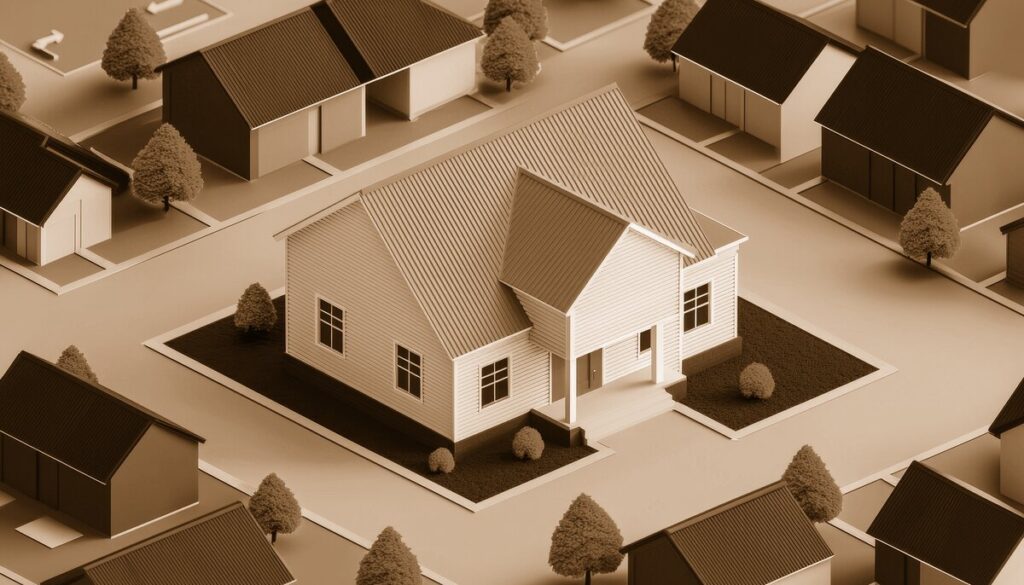
The first homes in Fairlane began sprouting up around 1951, with uniform ranch and Cape Cod-style houses filling in both sides of Fairlane Avenue. The neighborhood's design reflected the era's focus on family life—with roomy yards, sidewalks perfect for evening strolls, and a layout that encouraged neighbors to connect. As new families arrived, institutions followed. The Fairlane Green, now a cherished communal space bordered by Brenton Drive, became the pulsing heart of block parties, Easter egg hunts, and Fourth of July picnics.
In those early years, local builders like the Kettering-based Hamilton Company put up homes known for their solid craftsmanship and cheery brick facades. These houses—many still standing with original features—gave Fairlane its visual identity. Friendly competition among neighbors resulted in beautiful gardens and pristinely trimmed lawns that, even decades later, remain a fixture on streets like Gardendale Avenue and Overland Trail.
Community Anchors: Churches, Schools, and Social Hubs
The mid-1950s saw the arrival of two beloved institutions: Our Lady of Mercy Catholic School, just southeast of Fairlane, and the Fairlane Community Baptist Church along Hoover Avenue. Both quickly became community anchors—not only as places of worship and education, but as venues for holiday performances, community suppers, and charity drives. These institutions fostered the interconnectedness that Fairlane is known for, bringing together families from the near west side of Dayton and beyond.
Perhaps nothing knit the neighborhood together more than the Fairlane Civic Association—founded by residents in 1958 as a way to look out for each other, maintain public spaces, and give residents a voice in Dayton’s broader growth. Regular meetings, hosted in basements and backyards along Nottingham Road, led to infrastructural improvements and a strong tradition of collective action.
A Landscape of Landmarks
Though Fairlane was always more about people than grandeur, it’s home to several low-key but cherished landmarks. The Fairlane Green stands as a testament to intentional common space; an expanse of grass and mature trees where children have sledded, neighbors have watched fireworks, and generations have shared laughter.
Just a few blocks west, the MacFarlane Park playground remains a destination for families throughout Dayton, with its classic swings and an updated sprayground for hot summer days. The iconic stone gateway at its entrance, built in the 1960s by local craftsmen, is a popular spot for graduation and family photos alike. Salem Avenue, which frames the east edge of Fairlane, still buzzes with a mix of mom-and-pop shops and diners that carry fond memories for longtime locals.
A short walk south leads to the legendary Golden Nugget Pancake House—an institution since 1958—where stories of Fairlane’s past are as plentiful as the pancakes served at family breakfasts.
Changing Times, Evergreen Spirit
Fairlane’s journey through the 1970s and 1980s mirrored Dayton’s changes. As manufacturing ebbed and the city’s economic fortunes became more complex, Fairlane held on to its values of resilience and inclusivity. In these decades, the neighborhood became more diverse—welcoming new faces and cultures, which in turn broadened its community traditions and neighborhood block parties.
The rise of neighborhood watch groups and grassroots beautification projects kept streets like Highridge Court and Rushmore Avenue vibrant and safe. As Dayton became a city of reinvention, Fairlane’s classic homes—updated with modern touches—became attractive to young families and retirees alike, drawn by the promise of strong community bonds and affordable homes.
Looking Ahead: Fairlane Today
Today, Fairlane remains a neighborhood where people greet their neighbors by name and share in life’s milestones. Young professionals, multigenerational families, and newcomers from around the world make up its diverse tapestry. The annual Fairlane Festival brings everyone together in Fairlane Green, celebrating with food tents, live music, and children’s games. Civic-minded residents still gather to care for parks, support local schools, and ensure the neighborhood stays welcoming and safe.
The preservation of mid-century homes along Carrollton Avenue and the continued presence of regional landmarks like MacFarlane Park offer tangible links to the past, even as Fairlane adapts to the rhythms of the 21st century.
Why Fairlane Still Feels Like Home
As anyone who’s ever called Fairlane home will tell you, there’s something special about this corner of Dayton. The streets echo with history, shaped by those who built the neighborhood from the ground up—a spirit you can feel as you watch kids race their bikes down Nottingham or listen to the laughter drifting from block parties on spring evenings.
With its blend of sturdy homes, vibrant green spaces, and a tradition of neighborly care, Fairlane stands as a reminder of what’s possible when people come together with purpose. No matter how Dayton changes, the heritage of Fairlane will continue to anchor its future.